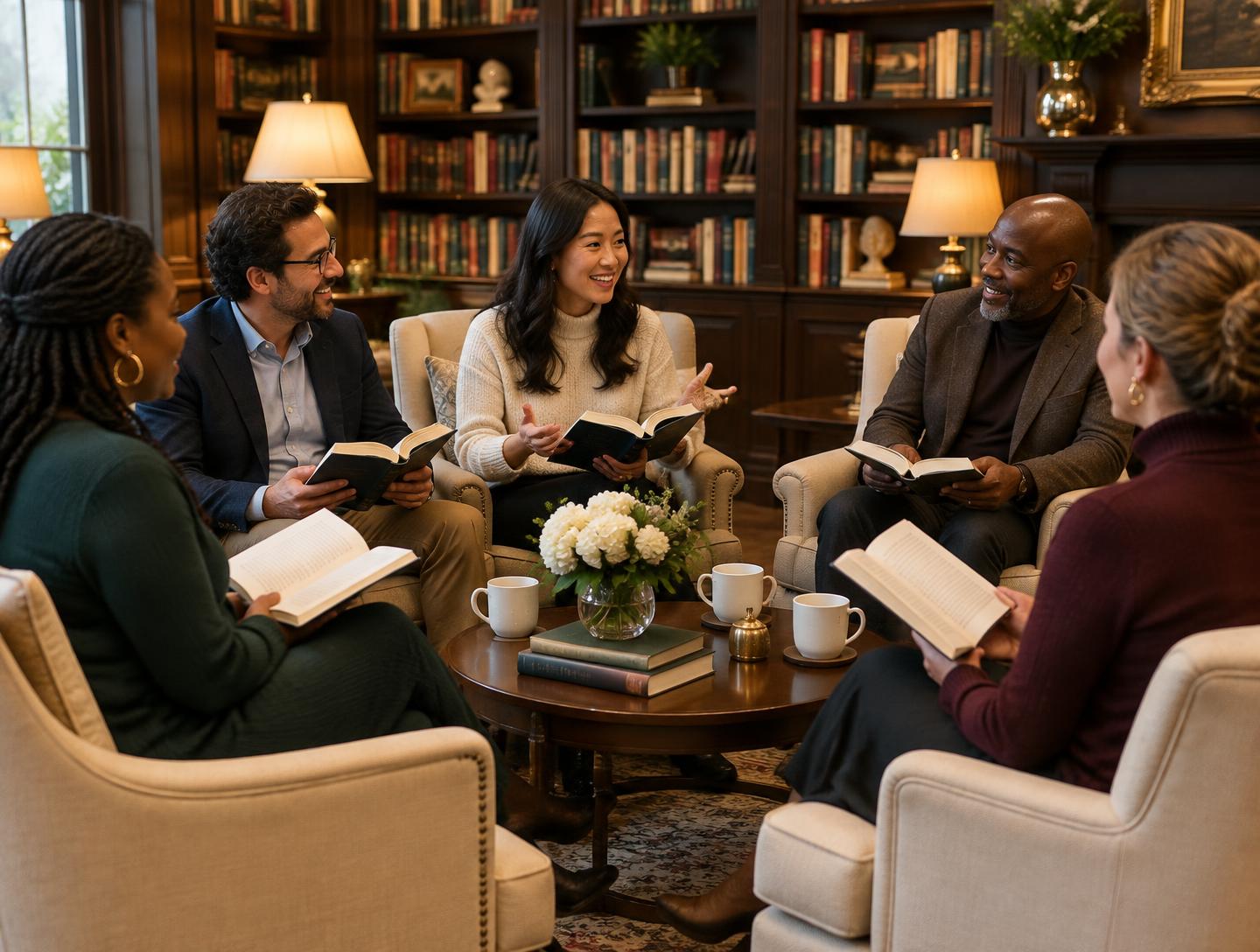
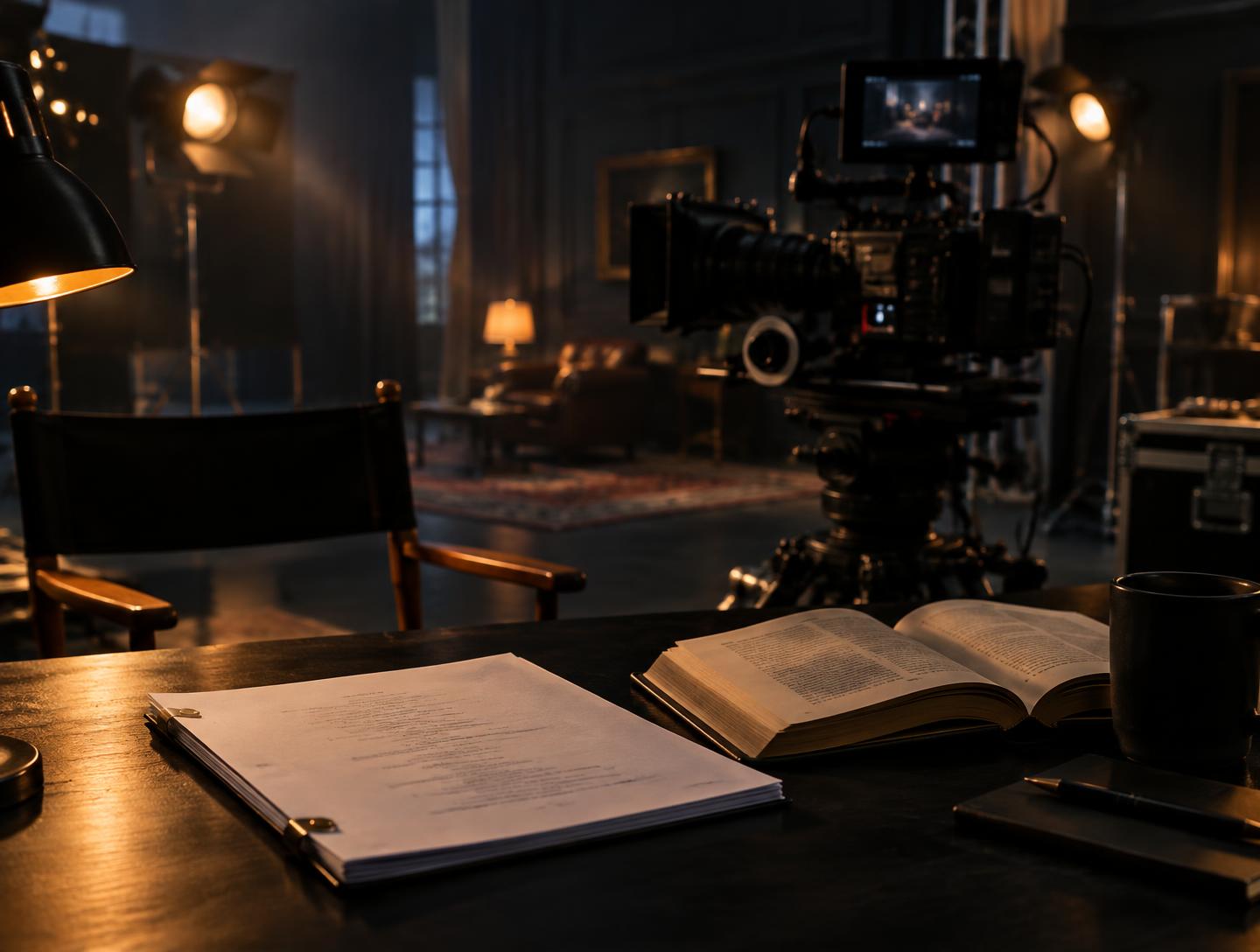
D'Light Creative Network helps selected authors explore whether published works may be suitable for relevant film and screen opportunities. Selection does not promise adaptation, a production agreement, or any film or television outcome.
A compelling book can contain the foundation for an extraordinary visual story. Within the pages of a novel, memoir, historical account, biography, or other literary work, there may be memorable characters, powerful conflicts, emotional journeys, extraordinary settings, and cinematic storytelling possibilities.
However, a book being well written does not automatically make it suitable for film adaptation. Film development is a specialized process involving intellectual property rights, story development, production considerations, screenplay adaptation, market positioning, and the interests of relevant film professionals.
At D'Light Creative Network, our Author Film & Movie Submission Consultancy is designed to help selected authors explore whether their published works may be suitable for relevant film and screen opportunities.
This is one of our most selective areas of operation.
Why This Opportunity Is Rare
Unlike ordinary book publicity, film and movie submissions require considerably more consideration. A literary work must first demonstrate characteristics that may make it suitable for adaptation.
Our team examines more than whether the book has an interesting title or an appealing cover. We look at the story itself, the structure, its dramatic potential, its characters, its themes, and whether the material could potentially translate into a visual storytelling format.
We also consider the author's rights position.
What We Look For
- 1
Cinematic storytelling potential
Does the book contain a narrative that could potentially be translated into a screenplay or screen production?
- 2
Character development
Are the characters sufficiently developed to support visual storytelling?
- 3
Narrative structure
Does the story contain a coherent progression, dramatic development, and meaningful narrative direction?
- 4
Visual environments
Does the book contain locations, settings, environments, or events that could be compelling on screen?
- 5
Conflict and emotional depth
Does the work contain dramatic tensions, emotional stakes, mysteries, challenges, or other elements that could support a screen narrative?
- 6
Audience relevance
Could the central themes and narrative appeal to a recognizable film or television audience?
- 7
Adaptation rights
Can the author demonstrate the appropriate ownership or control of the rights needed for discussions?
- 8
Project feasibility
Are there identifiable production considerations that may affect the potential adaptation pathway?
Our Selection Process
Film submission consultancy is exclusively available to authors selected by D'Light Creative Network.
The process may include:
- Discovery of a potentially suitable book.
- Preliminary review of the published work.
- Assessment of narrative and cinematic potential.
- Examination of the author's rights position.
- Identification of possible adaptation pathways.
- Further information gathering.
- Internal suitability review.
- Consultation with the author.
- Preparation of relevant project materials.
- Identification of suitable submission opportunities.
- Introduction or submission, where an appropriate recipient and authorized process have been established.
- Follow-up where a recipient permits it.
What Materials May Be Required?
Depending on the project, authors may be asked to provide:
- Complete book manuscript.
- Published book information.
- Detailed synopsis.
- Chapter summaries.
- Author biography.
- Book cover and promotional materials.
- Adaptation rights information.
- Rights agreements, where applicable.
- Any existing screenplay or treatment.
- Author's adaptation objectives.
What Happens If a Book Is Selected?
Where a book passes our preliminary assessment, our team may explore relevant film, television, independent production, adaptation consultancy, or literary-to-screen submission pathways. This may involve preparing an introductory presentation, organizing relevant information, identifying potential recipients, and coordinating authorized introductions.
Any introduction or submission is subject to the recipient's requirements and willingness to consider the material.
An Essential Notice About Film Adaptation
Why We Have This Department
We recognize that some literary works have the potential to reach audiences beyond traditional reading formats. Our objective is to identify those possibilities, assess them carefully, and help suitable authors explore the next stage of their creative journey.
This is a selective opportunity, not an automatic entitlement.